1a | Description of Relevant Projects
This example of a relevant project is from a project funded by the European Commission.
See Example
This site showcases the extensive knowledge and experience of the AFRY/TMX Consortium in developing and implementing cutting edge online learning solutions. To facilitate review, the examples are sequenced by categories. The Index in the right sidebar provides quick access to examples by category title.
Comprised of a large team of international experts, project managers, and content developers from Sweden, USA, Austria, and Ukraine, the Consortium is actively and continuously engaged in development of online learning solutions for a wide array of international clients.
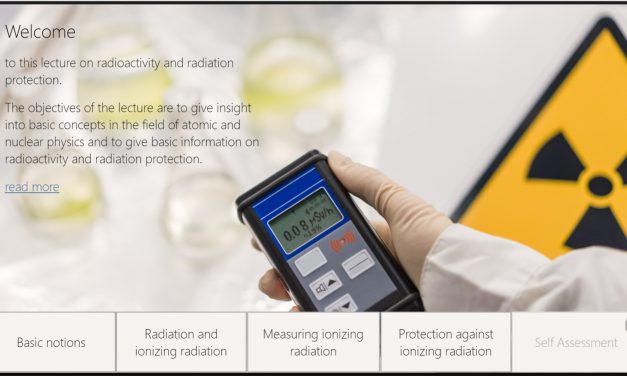
This example of a relevant project is from a project funded by the European Commission.
See Example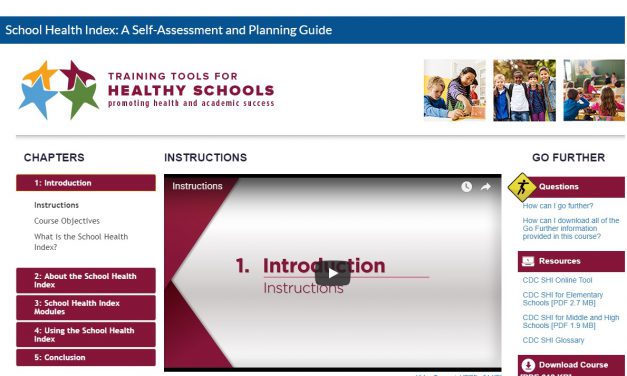
This relevant project example is from the “Training Tools for Healthy Schools: Promoting Health and Academic Success”, developed for the Centers for Disease Control and Prevention (CDC).
See Example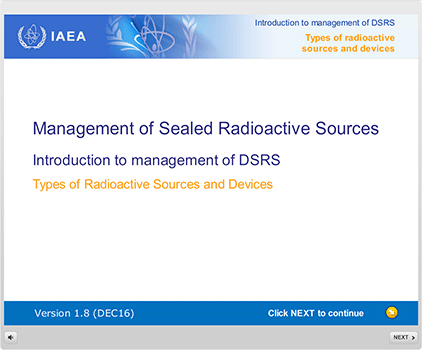
This example of a relevant project is from a project called CONNECT. The course is one of several in a series of lectures on the subject of disposal and handling of radioactive waste, located on the CONNECT platform.
See Example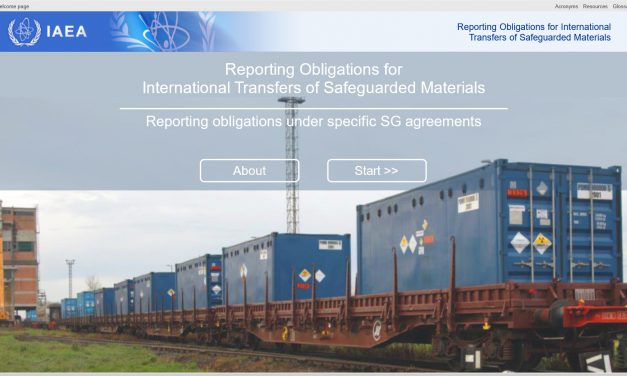
Another example of a relevant project is a recent project funded by the Department of Safeguards within the IAEA.
See Example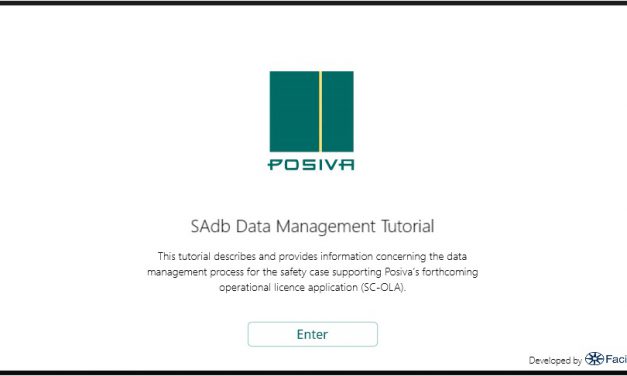
This example includes interative e-Learning tutorials and narrated video created for Posiva to train employees in data management and the use of associated software platforms related to the running of a safety assessment for a geological repository for radioactive waste.
See Example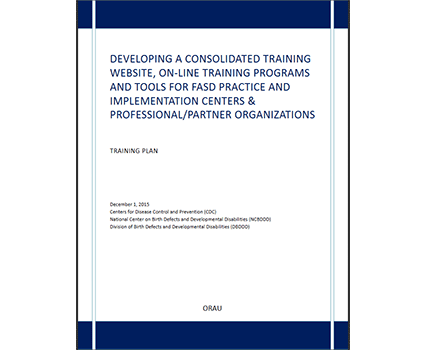
This is an example of a lesson plan from the CDC course on fetal alcohol spectrum disorders (FASD).
See Example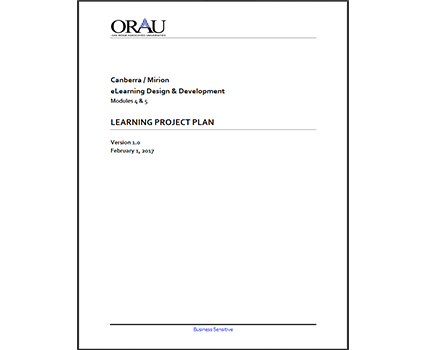
This is a training plan from a course being converted from classroom, instructor-led to a full suite of online learning modules.
See Example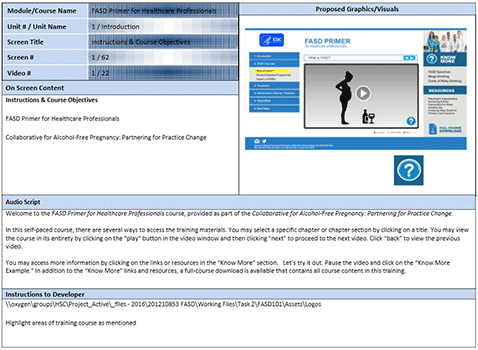
The Centers for Disease Control tasked us with developing and evaluating web-based training courses to educate health professionals on various aspects of FASD. This is the storyboard for that course.
See Example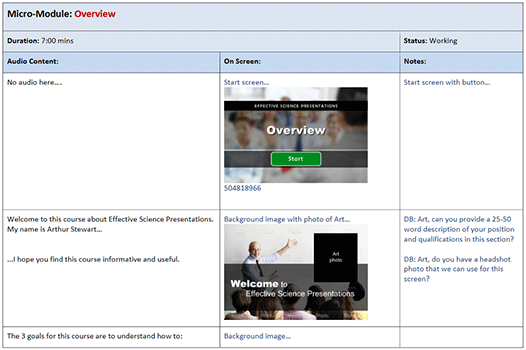
This storyboard is from an online course teaching how to deliver high quality science presentations.
See Example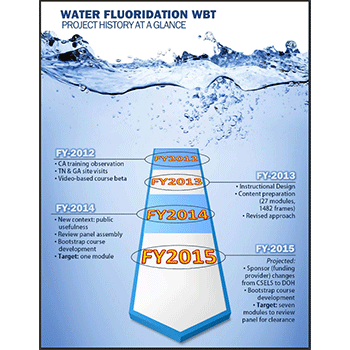
This water fluoridation course is an example of how the prototype process and user testing affected course development.
See Example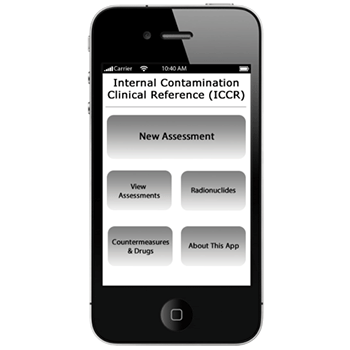
This prototyping example is from a product built for the CDC called Internal Contamination Clinical Reference (ICCR) mobile app for CDC.
See Example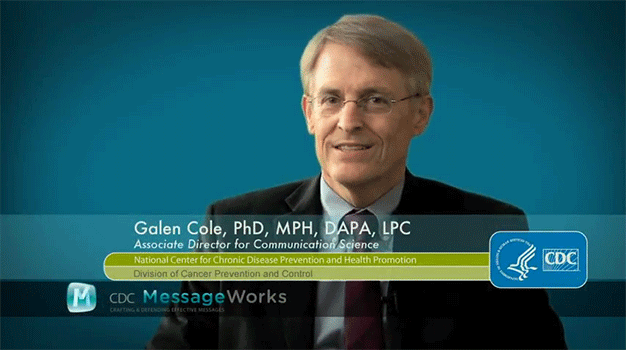
This example of a presenter-led video comes from a training program developed for the CDC on crafting health communication messages.
See Example
In this example, six presenter-led videos present the material in a logical and practical way of encouraging social and behavior change.
See Example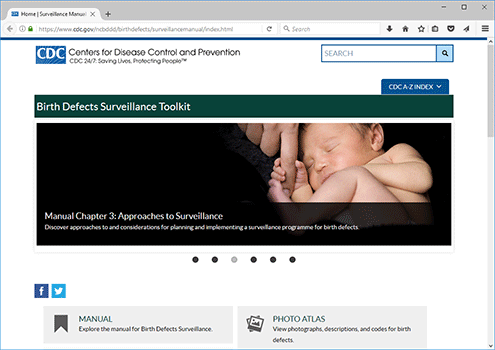
The CDC Birth Defects Surveillance Toolkit is an example of a training and resource product that uses social change strategy to limit/reduce birth defects in rural international areas.
See Example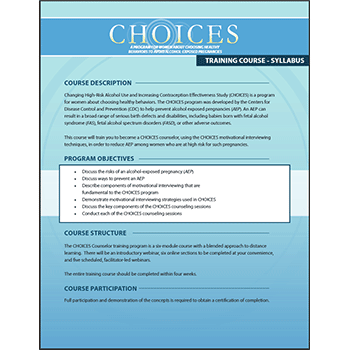
Changing High-Risk Alcohol Use and Increasing Contraception Effectiveness Study (CHOICES) is a training program for women about choosing healthy behaviors. The CHOICES program was developed by the Centers for Disease Control and Prevention (CDC) to help prevent alcohol exposed pregnancies.
See Example
This audio file was produced as part of the State of Tennessee Trails and Byways and Civil War mobile app. Sound design, recording and audio mixing was done in our Knoxville studios using ProTools.
See Example
This audio file was produced as part of the State of Tennessee Trails and Byways and Civil War mobile app. Sound design, recording and audio mixing was done in our Knoxville studios using ProTools.
See Example
Lecture on Management of Disused Sealed Radioactive Sources, developed for IAEA in 2015. This lecture was later translated into two additional languages; Spanish and French.
See Example
As a part of the development of e-learning material for the CONNECT project (IAEA), a selected number of lectures were chosen to be translated into Russian and Spanish.
See Example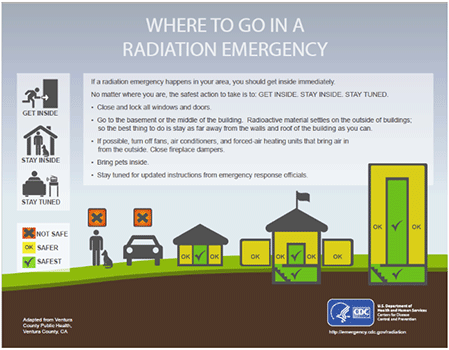
These infographic examples were part of work done for the CDC’s Radiation Emergency Website redesign. The infographics make the basic emergency response information easy for the public to understand and remember.
See Example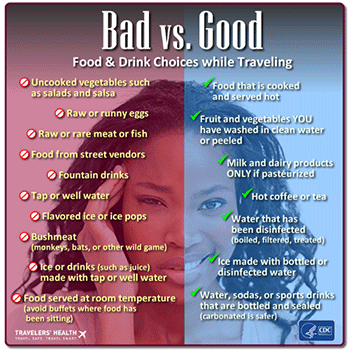
This is a series of infographics developed for the Travelers’ Health Branch of the Centers for Disease Control and Prevention (CDC). The infographics were used on the Traveler’s Health website and at conferences and events.
See Example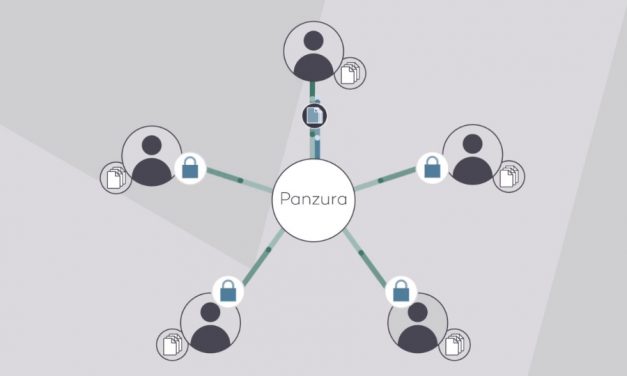
This video was produced for a Scandinavian client and highlights the infographics production capabilities of ÅF.
See Example
The graphic style used in these training videos was a simple, plain-paper style, used to keep the presentation light and focused on the concepts presented.
See Example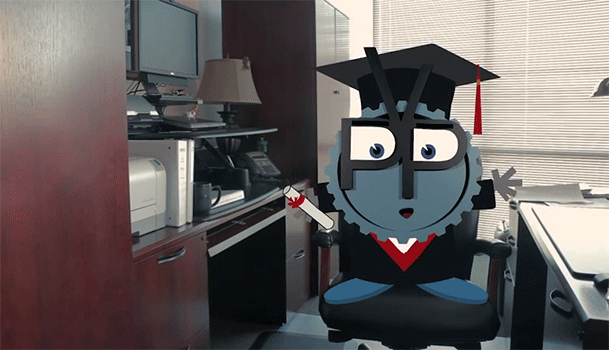
In this example, our graphic designers used cutouts of a cartoon mascot, animated his movements and embedded him over a live action video.
See Example
This example shows one of several instructional animations that illustrate radiation effects at the atomic level.
See Example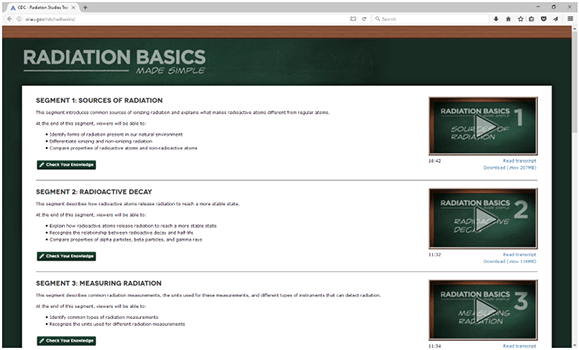
This example intersperses animation overlay in several places in a training video.
See Example
This video is a showreel of ÅFs capabilities and offerings in the areas of animation and infographics productions.
See Example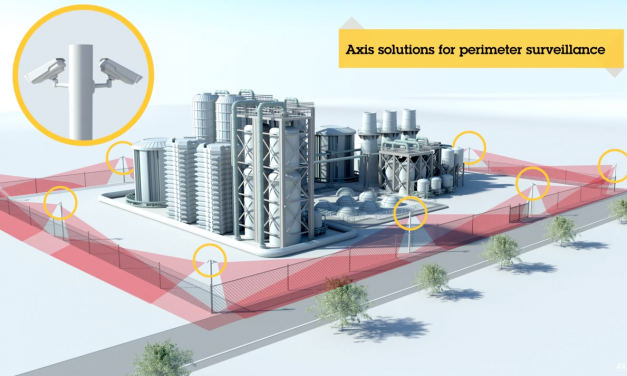
This video was produced for a Scandinavian client and highlights the animation capabilities of ÅF.
See Example
This motion graphic example is from a training program developed for the National Cancer Institute’s (NCI) Office of Advocacy Relations (OAR).
See Example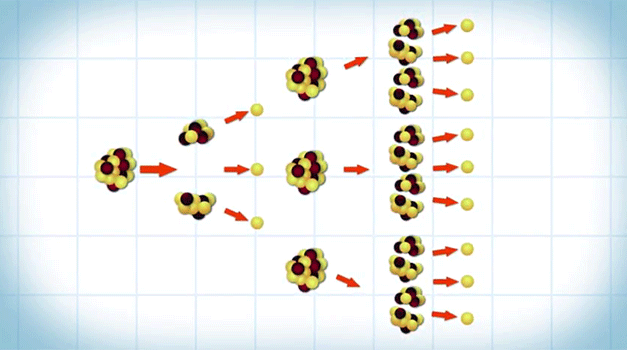
This motion graphics example comes from the NRC’s online “Fundamental Health Physics” (H‐122) course.
See Example
Hand-drawn animations provide visual appeal and instructional purpose to this professional development course for the CDC. “Professional Development 201: What is a Webinar” (PD201) is a video-based course explaining how to effectively design, develop, deliver, and evaluate webinars for professional development events.
See Example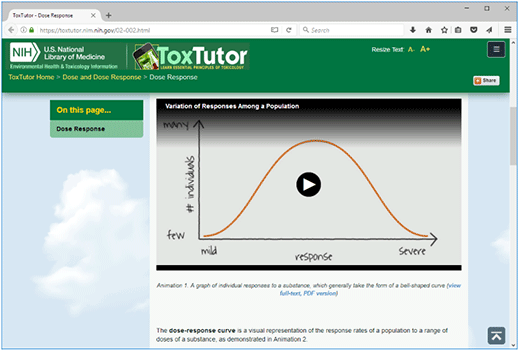
The hand-drawn animation used in this example supports a training program for the National Library of Medicine. Hand-drawn animations make it easier for learners to understand concepts, simulating an instructor drawing as an explanation unfolds.
See Example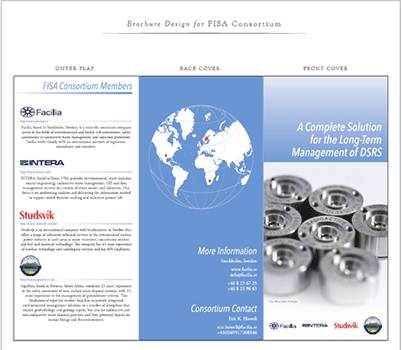
The Borehole Disposal System Brochure was designed, printed, and presented for the FISA Consortium to showcase the Consortium’s capacity for management and disposal of Disused Sealed Radioactive Sources.
See Example
This example of print media was designed and developed in response to a request by the United Nations International Atomic Energy Agency. It is the course progamme showing the course topics, expert bios, schedules and registration instructions.
See Example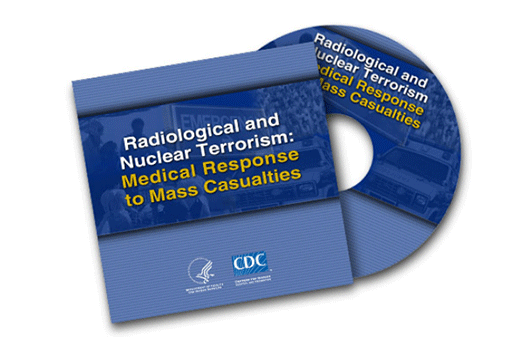
This training includes a self-test that assesses the learner’s comprehension of the material and directs back to specific locations for questions that are answered incorrectly. At the end of each scenario section learners are assessed on their understanding and given detailed feedback on each answer.
See Example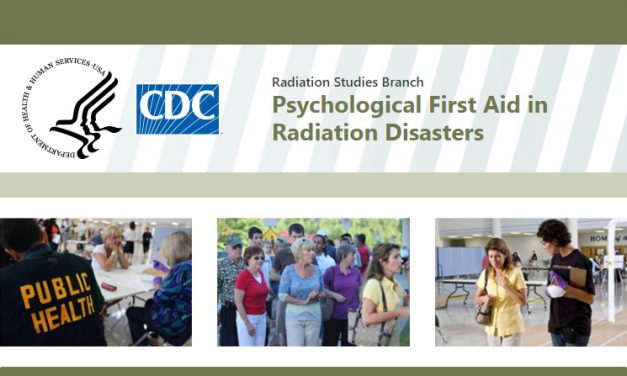
This example of assessment-based learning assesses learner’s comprehension of the material, adapts the feedback accordingly, and directs the learner back to specific locations for questions answered incorrectly.
See Example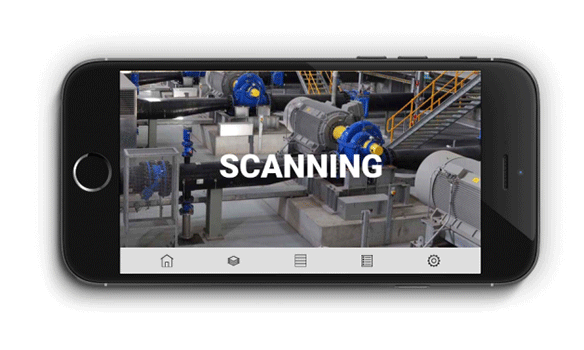
This example uses augmented reality to superimpose technical data over equipment. Technicians use their smartphones as they perform maintenance tasks. Technical data from system manuals is available in real time.
See Example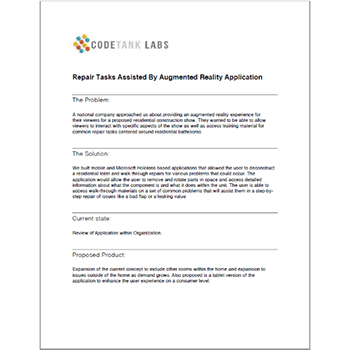
This learning application allows users to remove and rotate parts in space and access detailed information about what the component is and what it does within the unit.
See Example
Social learning, as an instructional design, provides a structure and method for learners to learn from each other. This example is from a project we designed and hosted for the CDC to support the Management for International Public Health (MIPH) program. The program uses social learning to enrich professional development for members across the international community of public health workers.
See Example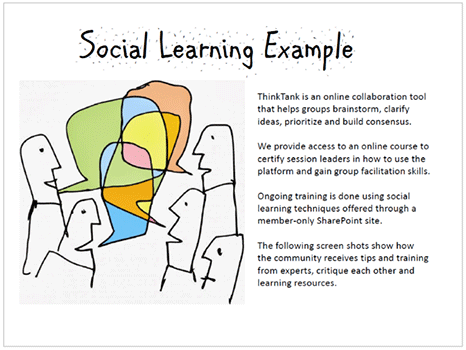
In this social learning example we show how, after learners become certified facilitators in the collaborative ThinkTank platform, they continue to learn from each other by participating in a shared, social platform.
See Example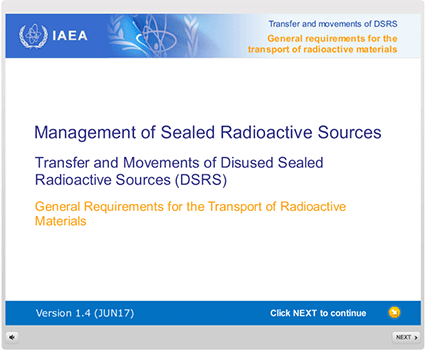
This example shows a lecture which was developed in the HTML5 format to allow access on a wide range of devices.
See Example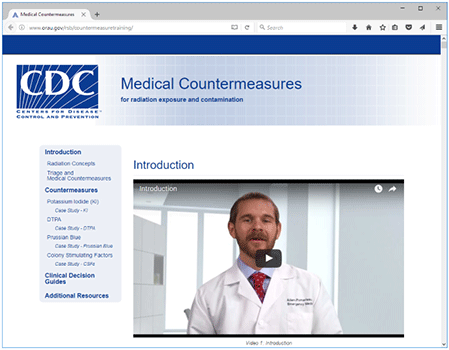
This example shows a training module created specifically to reach multiple devices (desktop, tablet, smartphone) with a single set of content and media.
See Example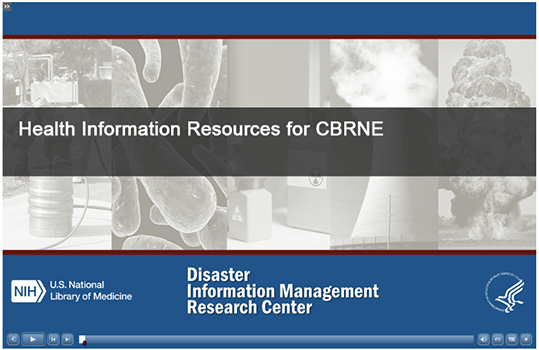
The National Library of Medicine (NLM) conducted several courses in person and wished to convert them to online learning. Due to the numbers of courses, and short timeline, the method of converting them needed to be quick and efficient. We chose a process for rapid e-learning development that would result in online training being as good, or better, than classroom delivery.
See Example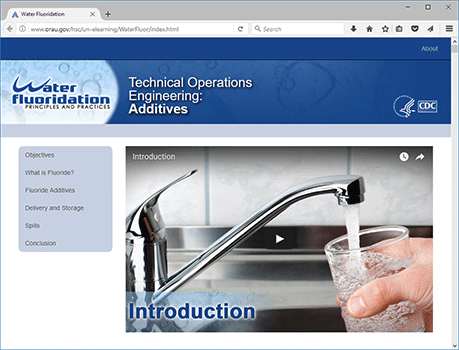
The prototype of the CDC’s new Water Fluoridation Technical Operations elearning proved a likeable user interface favored by all learners. However, the time required to produce all content using Adobe Flash was problematic. Our team quickly assessed the instructional gain/loss of moving to a more rapid e-learning tool and offered the CDC the solution showing in this example.
See Example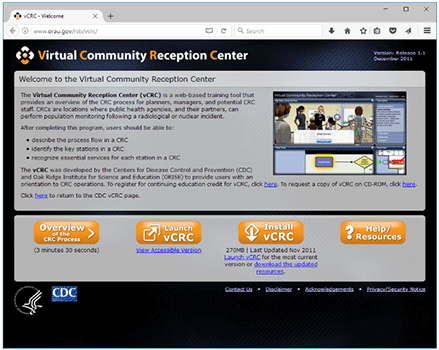
The Virtual Community Reception Center (vCRC) is a web-based training tool that teaches the planners, managers, and potential CRC staff the process flow and operations of a CRC. The vCRC is a self-paced program using simulated 3-D environment, embedded video segments, an interactive flow chart, and customizable supporting resources to deliver a unique training experience.
Explore this 3D interactive learning experience by clicking on the link and choosing “Launch vCRC”.
See Example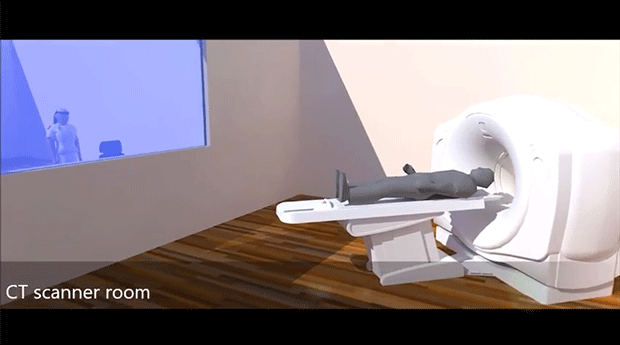
This video shows 3D environment walkthrough of a single scanner computed tomography department. The 3D interactive application features a detailed CT scanner and control room and allows the user to navigate and interact with the environment to get a realistic feel of the workflow of a single scanner CT department.
See Example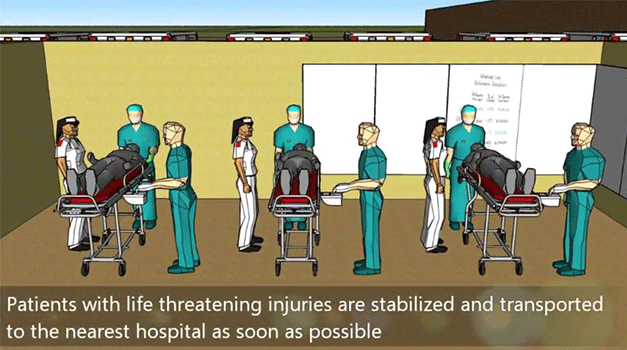
To try one of our interactive walkthrough experiences, download and extract the folder contents of the Example of a Nuclear or Radiological Emergency Reception Centre.
See Example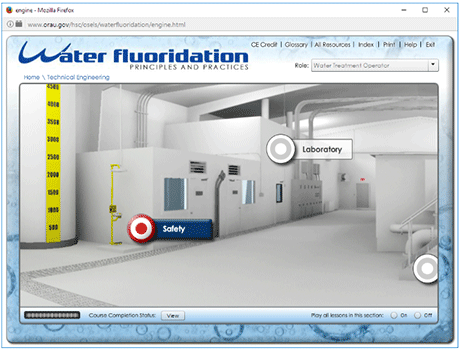
The microlearning example shown in this training piece was designed to provide the learner access to 40 hours of training material in a simple and straight-forward selectable menu. Notice the content is presented in chunks of 1 to 2 minute self-contained segments.
See Example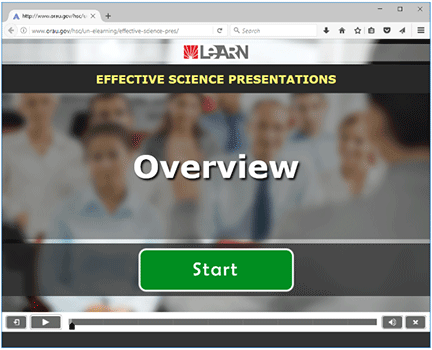
‘Effective Science Presentations’ is an online course that teaches students everything they need to know to deliver a high quality science presentation. Topics range from types of presentation styles to how to best construct a PowerPoint slide.
See Example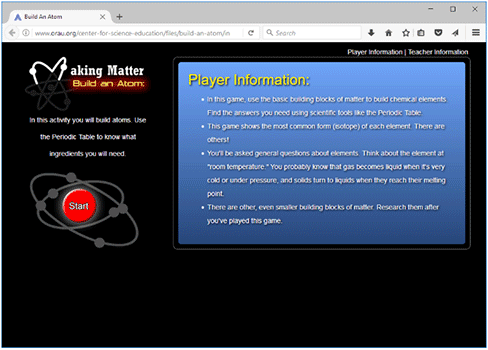
In the “Build an Atom” game, students/players use the basic building blocks of matter to build chemical elements. This game is now part of the Department of Energy’s (DOE) “The Harnessed Atom” curriculum helping elementary school students understand nuclear science and energy.
See Example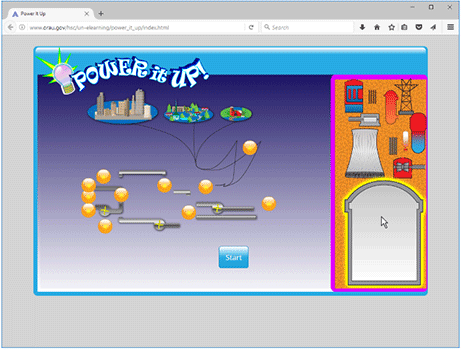
Playing “Power It Up”, players learn the basic parts of power plants and their relationships to one another. This game is now part of the Department of Energy’s (DOE) “The Harnessed Atom” curriculum helping elementary school students understand nuclear science and energy.
See Example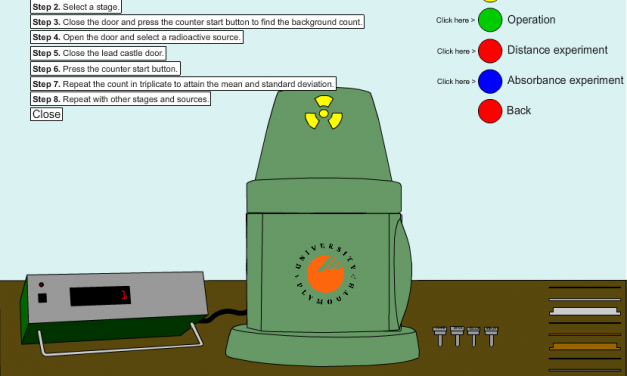
This example of a relevant project was produced for the University of Plymouth. The game was designed as a teaching aid to complement the parallel field- and laboratory experiments included in the geography and geochemistry courses.
See Example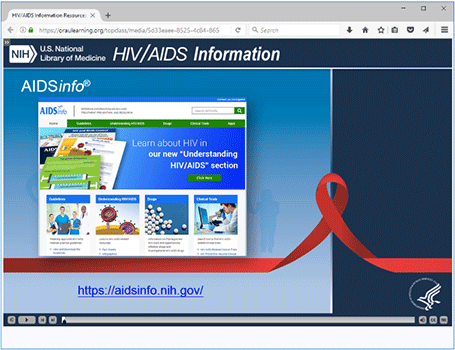
AIDSinfo is a web-based tutorial on how to use the National Library of Medicine’s database application for AIDS information resources. Having taught the in-person version for several years, our staff were able to include instruction on constructing effective search criteria in addition to the mechanics of database access.
See Example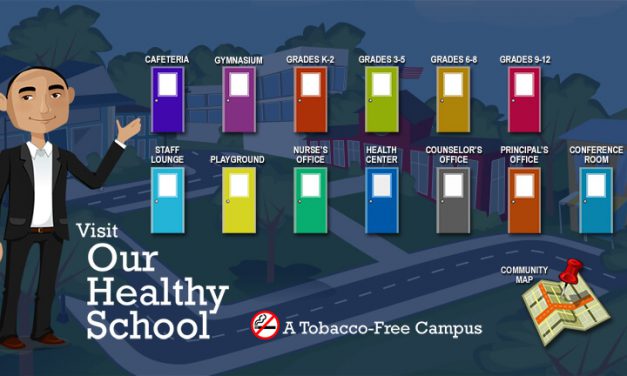
The CDC Virtual Health School is an online, interactive tool that provides innovative learning experiences to help make schools healthier.
See Example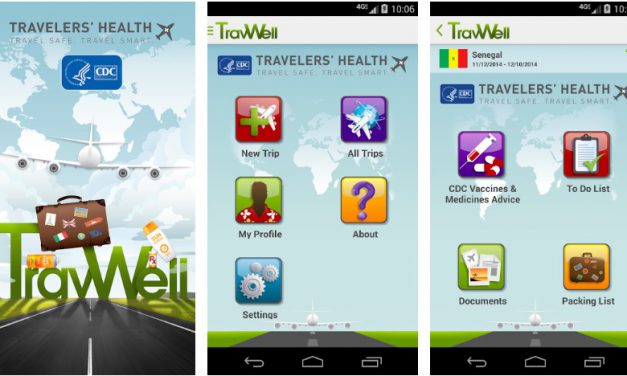
To help travelers prevent common digestion maladies, CDC employed us to design the “Can I Eat This?” mobile app. Travelers learn safe food and drink choices, based on selecting a country and answering questions.
See Example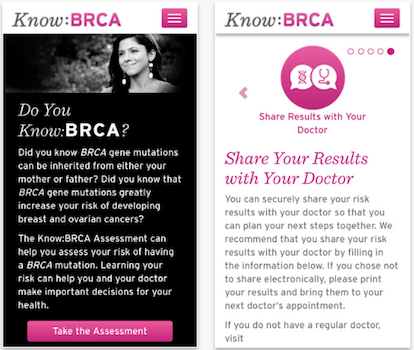
KnowBRCA is a collection of information, tools, educational and communication pieces designed to encourage young women at risk for breast cancer to seek genetic counseling.
See Example
This site showcases the extensive knowledge and experience of the AFRY/TMX Consortium in developing and implementing cutting edge online learning solutions. To facilitate review, the examples are sequenced by categories. The Index in the right sidebar provides quick access to examples by category title.
Comprised of a large team of international experts, project managers, and content developers from Sweden, USA, Austria, and Ukraine, the Consortium is actively and continuously engaged in development of online learning solutions for a wide array of international clients.